Ditch the Sad Desk Sandwich: Sindhi Packed Lunch Traditions Are the Upgrade American Lunch Breaks Desperately Need
Let's be honest about American lunch culture. For most working adults, it's a problem to be solved rather than a meal to be enjoyed. A sad triangle of convenience store sushi, a chain salad that's somehow both expensive and unsatisfying, or the same rotation of sandwiches that you've been eating since college. Lunch, in the American professional imagination, is largely a disappointment.
Sindhi packed lunch culture would like a word.
Long before "meal prep" became a lifestyle brand and "bento box" entered the American vocabulary, Sindhi families were packing tiffins—stacked metal containers filled with food that was specifically designed to travel well, taste great at room temperature, and actually satisfy. The philosophy behind Sindhi packed lunches isn't just practical. It's a whole different relationship with midday food.
What the Tiffin Actually Is
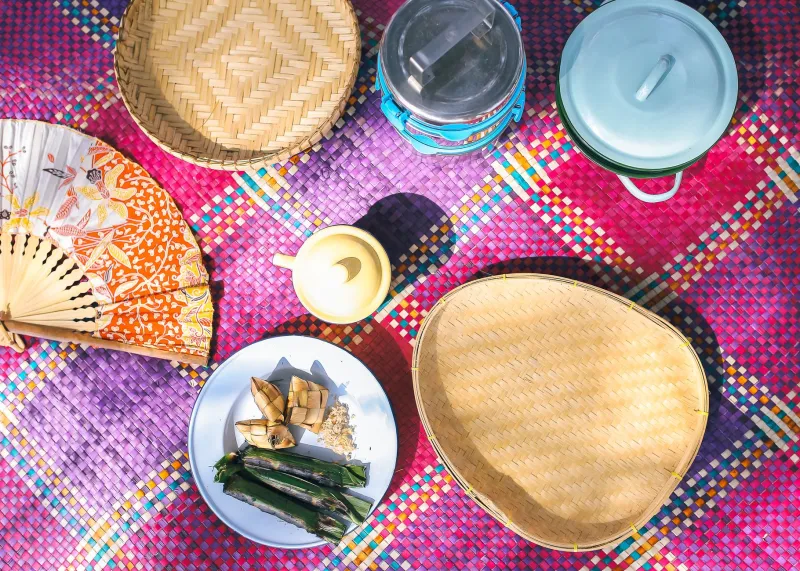
The tiffin carrier—a set of stackable, interlocking metal containers—is one of the more elegant food inventions in South Asian culinary history. Each tier holds a different component of the meal: a dal or curry on the bottom, rice or roti in the middle, a pickle or chutney on top. Everything stays separate until you're ready to eat, and the whole thing seals tightly enough to survive a commute.
In Sindhi households, packing a tiffin was never an afterthought. It was a considered act. What goes in needs to hold its texture over several hours. The flavors should actually improve as the spices continue to meld. And the meal should feel complete—not like a compromise.
This is the opposite of how most Americans approach packed lunch, which is essentially: what can I throw together in three minutes that won't make me sad at noon?
The Dishes That Travel Best
Not everything in the Sindhi repertoire is tiffin-friendly, but a surprising number of classic dishes are almost purpose-built for it.
Sindhi Kadhi with Rice This tangy, gram flour-based curry is arguably the most iconic Sindhi dish, and it happens to be one of the best packed lunches imaginable. Kadhi thickens slightly as it sits, which actually improves its texture by lunchtime. Packed with a portion of steamed rice in a separate container, it reheats beautifully in an office microwave in under two minutes. The flavor at noon is noticeably richer than it was fresh off the stove—the turmeric, dried red chilies, and tamarind have had hours to get acquainted.
Dal Pakwan (Deconstructed) Dal pakwan—a beloved Sindhi breakfast combination of crispy fried flatbread and spiced chana dal—translates surprisingly well into a packed lunch format. Keep the dal in one container and pack the pakwan separately (it stays crispier than you'd expect). At lunch, the contrast of crunchy and saucy is genuinely satisfying in a way that no sandwich has ever been.
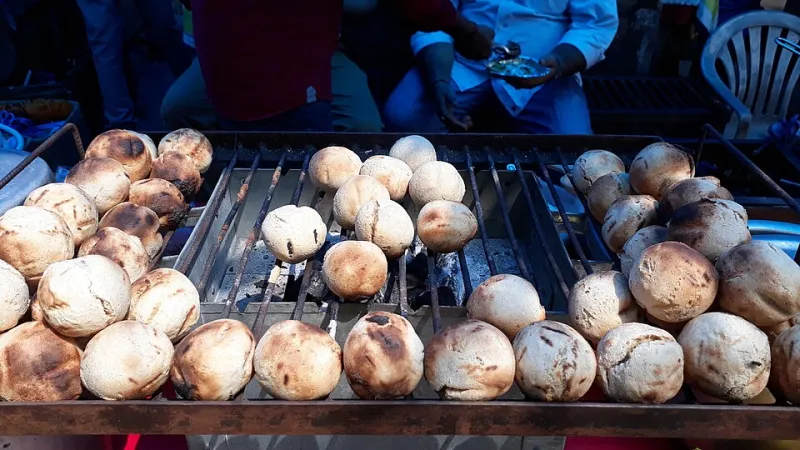
Koki This thick, spiced whole wheat flatbread—made with onions, cumin, fresh coriander, and sometimes dried chilies—is practically designed for the lunchbox. It's dense enough to stay soft for hours without going stale, flavorful enough to eat on its own, and pairs naturally with a small container of yogurt or achaar. One or two kokis, a spoonful of pickle, and a piece of fruit: that's a lunch that will make your coworkers ask questions.
Sai Bhaji This slow-cooked spinach and lentil dish is one of those preparations that genuinely gets better overnight. Packed cold or reheated, it's earthy, deeply spiced, and filling in a way that a grain bowl from a fast casual spot never quite manages. Over rice or with roti, it's a complete meal in a single container.
The Flavor-Over-Time Advantage
Here's the thing that Sindhi cooks have always understood and American lunch culture has largely missed: some food is better after it sits. The spices in a Sindhi curry don't just flavor the dish immediately—they continue working. A dal packed at 7am tastes different at noon, and that difference is an improvement.
This is the opposite of most American packed lunches, which are designed for immediate consumption and degrade over time. A sandwich gets soggy. A salad wilts. A grain bowl from last night's dinner tastes like an obligation.
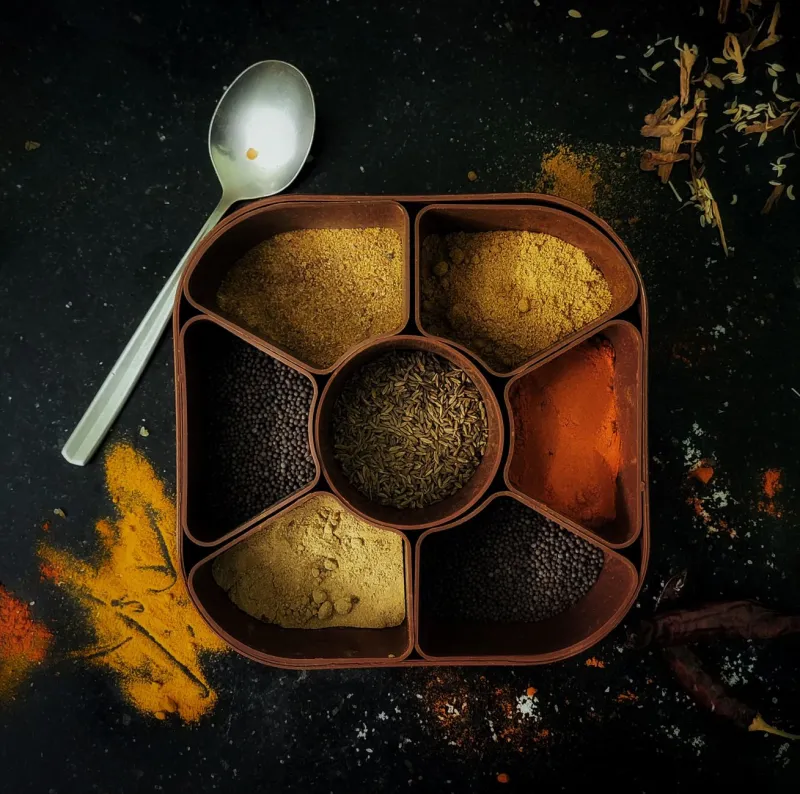
Sindhi dishes are built on spice bases that integrate over time, fat that carries flavor across hours, and acidic elements—tamarind, amchur, dried kokum—that balance and brighten rather than fade. Pack these dishes the night before and you're not eating leftovers. You're eating something that's been finishing itself while you slept.
Practical Packing Tips
You don't need to track down an actual tiffin carrier to adopt this approach, though they're widely available on Amazon for under $20 and are genuinely great. Any set of leakproof containers with separate compartments works fine.
A few habits that make Sindhi-style packed lunches work in an American context:
- Keep wet and dry separate. Dal or kadhi in one container, rice or roti in another. Combine at lunch, not at packing time.
- Always include an acidic element. A small container of achaar, a wedge of lime, or a spoonful of tamarind chutney wakes everything up at midday.
- Pack yogurt on the side. Plain whole milk yogurt pairs with almost every Sindhi dish and adds a cooling contrast to spiced preparations.
- Don't fear room temperature. Many Sindhi dishes are excellent at room temp, which means you don't always need access to a microwave. Koki, sai bhaji, and dal pakwan all work beautifully cold.
The Bigger Picture
There's something almost political about bringing a Sindhi tiffin to an American office. It's a quiet declaration that lunch is worth caring about—that the midday meal deserves the same consideration as dinner, that flavor doesn't have to be sacrificed for convenience.
American lunch culture has been stuck in a low-imagination rut for decades, cycling between fast food, sad salads, and whatever the latest trendy grain bowl happens to be. Sindhi packed lunch traditions offer a genuinely different model: food that's designed to travel, built to improve over time, and rooted in a culinary heritage that has never treated any meal as an afterthought.
Your desk deserves better than another disappointing sandwich. So does your afternoon energy. Pack a tiffin. See what happens.