8 Sindhi Street Foods That Make the Best First Bite Into This Cuisine
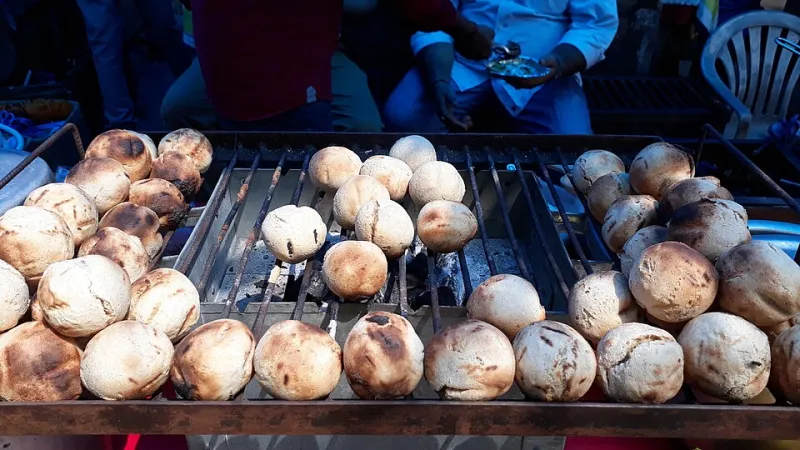
Photo: Pinakpani, CC BY-SA 4.0, via Wikimedia Commons
Sindhi cuisine doesn't always get the spotlight it deserves in American food conversations. You'll find Punjabi, Gujarati, and South Indian dishes at restaurants from coast to coast, but Sindhi food? It mostly lives in home kitchens, at community gatherings, and on the tables of families who carried these recipes with them through one of history's most dramatic forced migrations.
That's part of what makes it worth seeking out. And the best place to start isn't a complex slow-cooked main course — it's the snacks. Sindhi street food is bold, accessible, and surprisingly easy to recreate at home. These are dishes that were designed to be made quickly, eaten standing up, and enjoyed without ceremony. They're also a genuine window into what Sindhi cooking is all about: bright acidity, layered spice, and a serious commitment to texture.
Here are eight Sindhi street foods and snacks worth making in your own kitchen, along with what makes each one special and how to get started.
1. Dahi Bhalle (Lentil Dumplings in Spiced Yogurt)
If you've had chaat before — the tangy, crunchy, sweet-and-spicy category of Indian snack food — dahi bhalle will feel immediately familiar. Soft lentil fritters are soaked in cool, seasoned yogurt and finished with tamarind chutney, mint chutney, and a shower of spices. The contrast of textures and temperatures is the whole point.
Why it's a good starting point: The fritters can be made ahead and frozen. The chutneys are widely available at Indian grocery stores if you'd rather not make them from scratch. Assembly takes minutes.
Simplified home recipe: Soak 1 cup urad dal (split black lentils, hulled) overnight. Blend into a thick batter with a small piece of ginger and a green chili. Add salt and a pinch of cumin. Drop spoonfuls into hot oil and fry until golden. Soak fried bhalle in warm water for 10 minutes, then gently squeeze out excess water. Serve in a bowl of whisked, salted yogurt topped with tamarind chutney, mint chutney, chaat masala, and cumin powder.
Cultural note: Dahi bhalle are a fixture at Sindhi celebrations and family gatherings across the US. You'll find them at nearly every Sindhi potluck from New Jersey to California.
2. Dal Puri (Stuffed Lentil Flatbread)
Dal puri is the Sindhi answer to the universal human desire for something fried and stuffed. A whole wheat dough is filled with spiced, coarsely ground chana dal (split chickpeas) and deep-fried until it puffs into a golden, flaky round. It's rich, satisfying, and deeply good.
Why it's a good starting point: The technique is straightforward — if you've ever made any stuffed bread, the logic here is the same. The filling can be made a day in advance.
Simplified home recipe: Cook chana dal until just tender (not mushy). Drain and roughly mash. Season with cumin, coriander, dried mango powder, green chili, and salt. Stuff into small rounds of whole wheat dough, seal, and roll gently. Fry in hot oil until puffed and golden. Serve with tamarind chutney or plain yogurt.
3. Sindhi Kachori
Kachori is a fried pastry with a spiced filling — similar in concept to dal puri but with a flakier, more pastry-like shell. The Sindhi version often uses a moong dal filling spiced with ajwain (carom seeds) and dried pomegranate, giving it a tartness that sets it apart from other regional versions.
Why it's a good starting point: Kachoris freeze beautifully and reheat well in an air fryer or oven, making them a practical make-ahead snack for parties.
Simplified home recipe: Make a dough with all-purpose flour, a little oil, and enough water to bring it together (it should be firm, not soft). For the filling, cook split moong dal until dry, then season with ajwain, red chili, coriander, amchur, and salt. Fill, seal, and fry on medium-low heat until deeply golden and crisp. The low-and-slow fry is what creates the signature flaky shell.
4. Seyal Bread (Sindhi Spiced French Toast, Roughly Speaking)
Seyal bread is what happens when you cook bread in a spiced onion and tomato masala until it absorbs the sauce completely. The result is savory, soft, and intensely flavored — closer to a shakshuka-adjacent dish than anything you'd call toast. It's a Sindhi breakfast classic that also makes a genuinely great weekend brunch dish for American kitchens.
Why it's a good starting point: You need bread, onions, tomatoes, and basic spices. That's essentially it.
Simplified home recipe: Sauté sliced onions in oil until golden. Add chopped tomatoes, green chili, turmeric, cumin, coriander powder, and salt. Cook until the tomatoes break down into a thick masala. Tear thick slices of bread into large pieces and fold them into the masala over low heat, letting the bread absorb the sauce without falling apart completely. Finish with fresh cilantro.
5. Sev Tameta (Tomato Curry with Crispy Chickpea Noodles)
This one is almost absurdly simple and absolutely delicious. A bright, slightly sweet tomato curry is topped with a generous handful of sev — thin, crunchy chickpea flour noodles — right before serving. The contrast of the warm, saucy curry and the crunchy sev is what makes it.
Why it's a good starting point: The curry takes about 15 minutes. Sev is available at Indian grocery stores and many international food aisles at larger grocery chains.
Simplified home recipe: Heat oil, add mustard seeds and let them pop. Add chopped tomatoes, sugar, salt, turmeric, and a pinch of red chili powder. Cook until the tomatoes break down into a loose, saucy consistency. Serve in bowls topped with a heavy handful of fine sev. Eat immediately — the sev softens quickly.
6. Tuk (Twice-Fried Spiced Potatoes)
Sindhi tuk might be the most addictive thing on this list. Small potatoes are par-boiled, flattened, and fried twice — once to cook them through, once to crisp them up — then finished with a sharp, tart spice blend that hits every note at once: sour, spicy, earthy, salty.
Why it's a good starting point: It's potatoes. Fried. Spiced. There is no easier entry point to a cuisine.
Simplified home recipe: Boil small potatoes (baby Yukons work great) until just tender. Flatten each one slightly with your palm. Fry in hot oil until golden and crisp on both sides. While still hot, toss with a mix of amchur (dried mango powder), cumin powder, red chili powder, black salt, and regular salt. Serve immediately.
7. Mitho Lolo (Sweet Sindhi Flatbread)
Not everything on a Sindhi snack table is savory. Mitho lolo is a sweet flatbread made with whole wheat flour, jaggery (unrefined cane sugar), and ghee — simple, slightly caramelized, and satisfying in the way that only carbohydrates and butter can be.
Why it's a good starting point: Three main ingredients. No frying. Perfect with chai.
Simplified home recipe: Mix whole wheat flour with melted jaggery (or dark brown sugar as a substitute), a spoonful of ghee, and enough water to form a soft dough. Roll into thick rounds and cook on a dry tawa or cast iron skillet over medium heat, pressing gently, until dark spots appear on both sides. Serve warm with extra ghee.
8. Papdi Chaat (Crispy Wafer Chaat, Sindhi Style)
Papdi chaat exists across many South Asian food traditions, but the Sindhi version leans on tamarind more heavily and often includes boiled chickpeas alongside the usual potatoes. It's the kind of snack that requires no cooking skill — just good assembly — which makes it the perfect starting dish for someone brand new to Sindhi flavors.
Why it's a good starting point: Papdi (crispy flour wafers) are sold at Indian grocery stores. The assembly is entirely flexible — you can adjust heat, sweetness, and tang to your own preference.
Simplified home recipe: Layer papdi on a plate. Top with boiled, diced potatoes and boiled chickpeas. Spoon over whisked yogurt, tamarind chutney, and mint-cilantro chutney. Sprinkle with chaat masala, cumin powder, and red chili powder. Finish with a handful of sev. Serve immediately.
Where to Start
If you're cooking Sindhi food for the first time, start with sev tameta or tuk — they're the lowest barrier to entry and deliver an immediate, clear sense of what Sindhi flavors are about. Once you've got those down, dahi bhalle and dal puri are the natural next step. Before long, you'll be ready for the full spread.