Bold, Resourceful, and Deeply Communal: Why Sindhi Cooking Was Made for This Moment in American Food
Photo: Dinesh Valke from Thane, India, CC BY-SA 2.0, via Wikimedia Commons
Let me tell you about a cuisine that was plant-forward before that was a phrase anyone used at dinner parties. A cuisine built on whole grains and legumes long before they showed up on Whole Foods endcaps. A cooking tradition that wasted almost nothing, stretched every ingredient across multiple meals, and placed feeding people well at the center of its entire philosophy.
I'm talking about Sindhi food. And I'm making the case that it has never been more relevant to American kitchens than it is right now.
The Immigrant Kitchen as Culinary Innovation Lab
There's a story we don't tell often enough about immigrant cooking in America, and it goes something like this: the women who carried their cuisines across oceans weren't just preserving the past. They were innovating in real time.
Sindhi families began arriving in the US in meaningful numbers in the 1960s and 70s, settling in metropolitan areas across New Jersey, Texas, California, and Illinois. They came with their spice boxes — the masala dabba, that round stainless steel container holding six or seven essential spices — and they started cooking in American kitchens that didn't have the right ingredients, the right equipment, or sometimes even the right humidity for dough to behave the way it did back home.
They adapted. They substituted. They improvised. American spinach stood in for the methi leaves that weren't available yet. Canned tomatoes became a pantry staple when fresh ones were out of season. They fed their families anyway, and the food was still extraordinary.
That kind of resourcefulness isn't a workaround. It's a culinary superpower. And it's exactly what American home cooks are now being encouraged to develop as food costs rise and the sustainability conversation grows louder.
Whole-Food Cooking Wasn't Invented in Brooklyn
One of the things that strikes me most about traditional Sindhi cooking is how little of it involves processed food. Not as a philosophical stance, not as a wellness trend — just as the natural expression of a cuisine that evolved around what was fresh, seasonal, and available in the Sindh region.
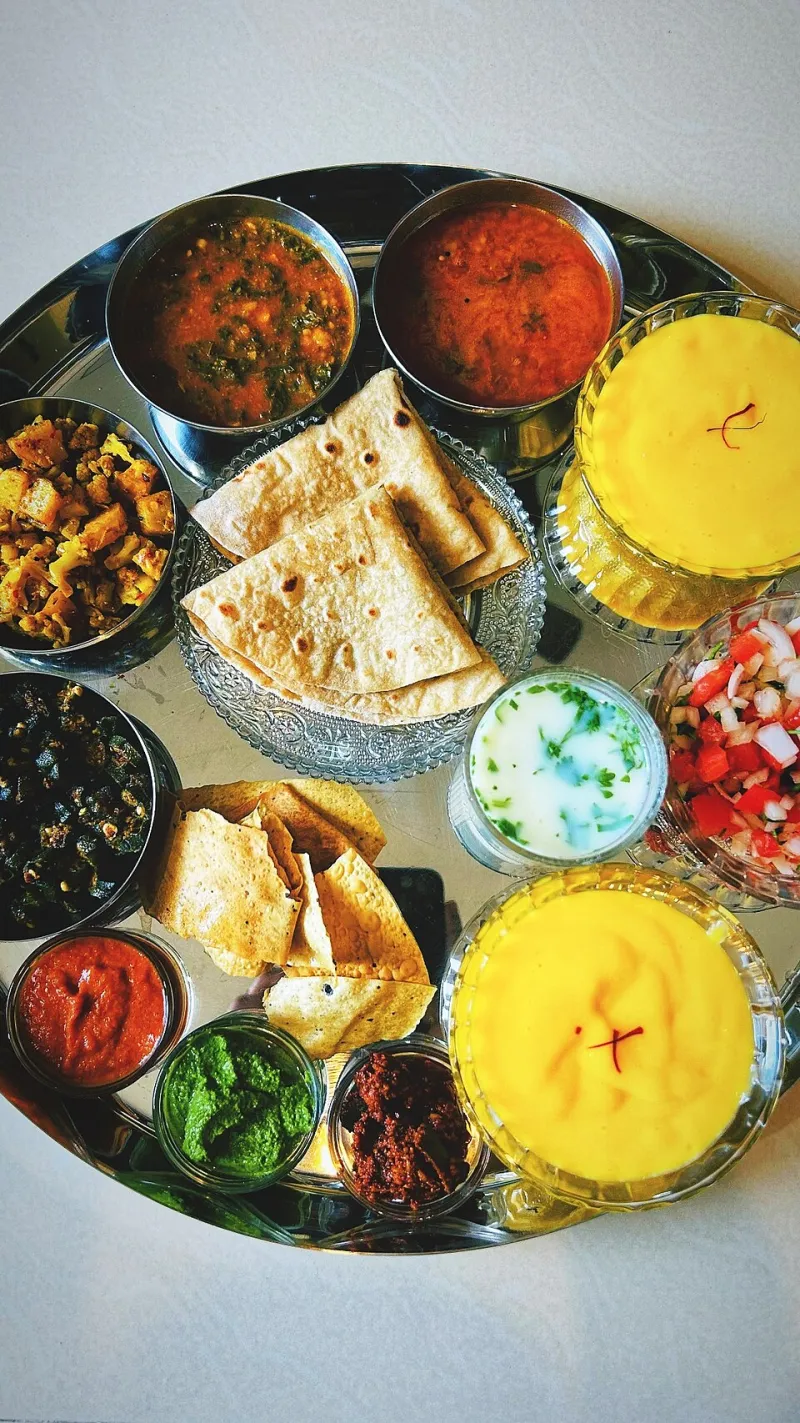
Dal chawal — lentils and rice — is a daily staple in many Sindhi households, and it is, nutritionally speaking, one of the most balanced meals you can put together. It's high in plant protein, rich in fiber, and when made with a properly constructed tarka (the spiced oil base that gives the dish its soul), it's deeply satisfying in a way that goes beyond just filling you up.
Sai bhaji, the spinach and vegetable stew that might be the most beloved dish in the Sindhi canon, is essentially a whole-food bowl before anyone was calling it that. Leafy greens, legumes, vegetables — all cooked together low and slow until they meld into something that is simultaneously humble and complex. No cream, no butter finish, no unnecessary additions. Just real food, cooked with intention.
American food media has spent the last decade enthusiastically rediscovering what Sindhi cooks never forgot.
Spice as Sustenance, Not Performance
There's a difference between food that uses spices to show off and food that uses spices to nourish. Sindhi cooking falls firmly in the second category.
The spice combinations in traditional Sindhi dishes aren't arbitrary or theatrical. Cumin aids digestion. Turmeric is anti-inflammatory. Ajwain eases bloating. Asafoetida — that pungent, sulfurous powder that smells alarming until it hits hot oil and transforms into something magical — has been used in Indian cooking for centuries as a digestive aid. These aren't wellness marketing claims retrofitted onto ancient recipes. They're the accumulated knowledge of generations of cooks who understood that food and medicine were never entirely separate.
As American consumers become more sophisticated about the connection between diet and health — moving away from processed food, seeking anti-inflammatory ingredients, paying attention to gut health — they're arriving at conclusions that Sindhi grandmothers reached a very long time ago.
The Table Has Always Been the Point
American food culture is, in many ways, still working through a complicated relationship with the act of communal eating. We eat at our desks. We eat in our cars. We meal prep in isolation and consume in front of screens. And then, periodically, we read breathless essays about how we've lost the art of the family dinner and need to reclaim it.
In Sindhi culture, the communal table was never something that needed reclaiming because it was never abandoned. The kitchen is the social center of the house. Cooking is something you do with people, not for them in isolation. Guests are fed reflexively, abundantly, without ceremony — because hospitality isn't a performance, it's just what you do.
This isn't nostalgia. I've seen it in Sindhi households in New Jersey and Houston and Fremont. The instinct to feed whoever walks through the door, to make more than enough, to sit together — it persists. It's cultural infrastructure, built into the cooking itself.
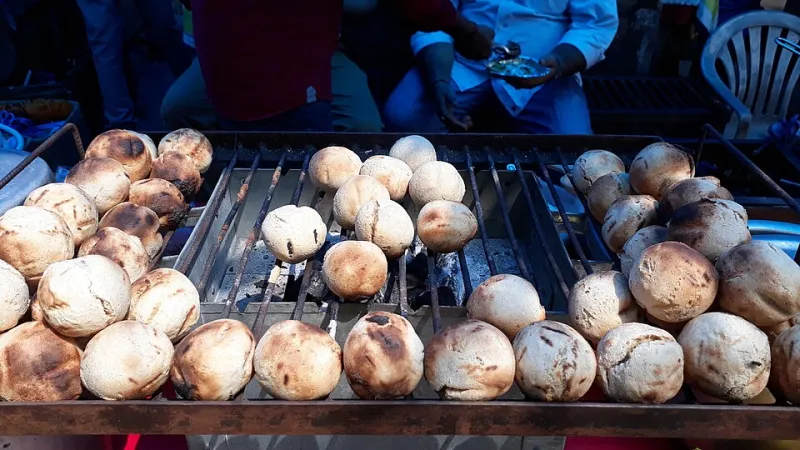
The dishes are designed for sharing. A pot of kadhi makes enough for eight. A tray of dal pakwan feeds a crowd. The recipes scale up naturally because they were never conceived as solo meals.
Cultural Pride as an Act of Preservation
There's one more reason Sindhi food matters deeply in this American moment, and it's less about ingredients or technique and more about identity.
The Sindhi diaspora carries a particular kind of cultural weight. Sindh — the region that gave this cuisine its name — is now part of Pakistan, which means that for Hindu Sindhi families, the homeland exists primarily in memory and in the food they cook. There is no easy return trip to the source. The cuisine itself has become the geography.
When a Sindhi family in Dallas makes seyal maani for a Sunday meal, they're not just eating lunch. They're maintaining a connection to a place that, for many of them, exists only in stories and flavors. The food is the archive.
This is why the current American conversation about cultural food preservation resonates so powerfully in Sindhi communities. The impulse to document recipes, to teach children how to cook, to share traditional dishes at community events — it's not just about keeping old recipes alive. It's about keeping an entire cultural identity intact.
This Is Our Moment
Sindhi cuisine has never needed validation from the American food establishment. It has fed families, preserved culture, and nourished communities for generations without waiting for anyone to declare it a trend.
But here we are, at a moment when American food culture is genuinely hungry for what Sindhi cooking offers: bold flavor built from whole ingredients, resourceful techniques that waste nothing, the wisdom of spice, and a deep, unshakeable commitment to feeding people well.
The Sindhi cooks who built their kitchens in America weren't ahead of their time. They were just cooking the way they always had. The rest of us are finally catching up.