Grind Your Own Sindhi Spice Blends: A Home Cook's Guide to Masalas That Actually Taste Like Home
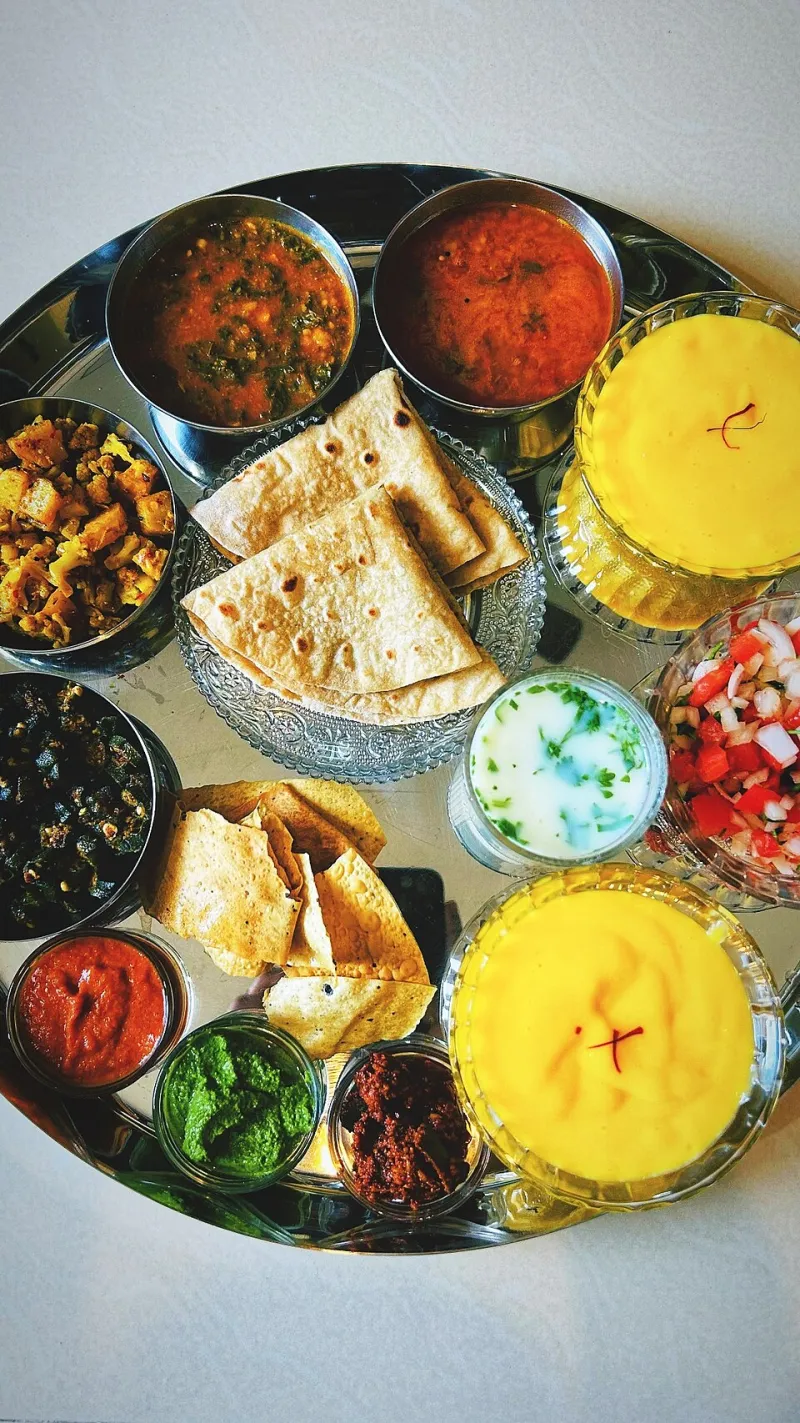
Photo: Shubhanshri01, CC BY-SA 4.0, via Wikimedia Commons
Walk into any Sindhi household during a cooking session and you'll notice something before you see anything: the smell. It's warm and complex — not the generic "Indian spice" aroma that floats out of takeout containers, but something more specific. Earthy and slightly floral. A little sharp. Deeply savory. That smell comes from spice blends that Sindhi cooks have been mixing, adjusting, and arguing about for generations.
The challenge for home cooks in the US is that Sindhi masalas are rarely sold pre-mixed on grocery store shelves. You'll find plenty of generic garam masala at Whole Foods or your local Indian grocery, but those blends are designed to approximate a broad pan-Indian flavor profile. Sindhi spice blends are more specific — built for a cuisine that's simultaneously simpler and more layered than its neighbors. The good news is that making them at home is genuinely approachable, and once you understand the logic behind each blend, you'll find yourself adjusting and personalizing them naturally.
This guide walks you through the essential Sindhi spice mixes, explains what each one does, tells you where to find the ingredients in the US, and matches each blend to the dishes that showcase it best.
Before You Start: Tools and Sourcing
You don't need specialized equipment to make these blends. A dedicated coffee grinder (kept strictly for spices — your morning coffee will thank you) works perfectly for small batches. If you cook Sindhi food regularly, a small stone mortar and pestle is worth the investment for blends that benefit from a coarser, less uniform grind.
For sourcing, Indian grocery stores are your best starting point. Chains like Patel Brothers (with locations in many major US cities), local South Asian grocery stores, and online retailers like iShopIndian or Amazon carry the full range of whole spices you'll need. A few specialty items — dried Sindhi red chilies, dried mango powder (amchur), and carom seeds (ajwain) — may require a trip to an Indian grocery specifically, but they're not hard to find once you know what you're looking for.
Buy whole spices whenever possible. Pre-ground spices lose their potency quickly. Whole spices, stored in airtight containers away from heat and light, will stay fragrant for up to a year.
Blend 1: Sindhi Garam Masala
This is the foundation blend — the one that appears in more Sindhi recipes than any other. It differs from the generic garam masala you'll find at most US grocery stores in a few meaningful ways: it's heavier on coriander and lighter on clove, and it typically includes dried rose petals or kewra (screwpine) essence, which gives it a faintly floral undertone that's distinctly Sindhi.
Ingredients:
- 3 tablespoons coriander seeds
- 2 tablespoons cumin seeds
- 1 tablespoon black peppercorns
- 1 teaspoon green cardamom pods
- 4 whole cloves
- 1 small cinnamon stick (about 2 inches)
- 1 black cardamom pod
- 1 teaspoon dried rose petals (optional but recommended)
- ½ teaspoon fennel seeds
Method: Toast all ingredients in a dry skillet over medium-low heat, stirring constantly, until fragrant — about 3 to 4 minutes. Let cool completely before grinding to a fine powder. Store in an airtight jar.
Flavor profile: Warm, rounded, gently floral, and deeply aromatic without the sharp clove-forward punch of many commercial blends.
Best used in: Seyal murgh (Sindhi-style chicken in onion gravy), mutton curry, and slow-cooked dal dishes.
Blend 2: Sindhi Koki Masala
Koki is the beloved Sindhi flatbread — thick, crisp-edged, and packed with flavor from within. The spice blend worked directly into the dough is what makes it distinctive. This isn't a blend you'd add to a curry; it's specifically designed to season a wheat-based dough and hold up to the heat of a tawa or griddle.
Ingredients:
- 1 tablespoon ajwain (carom seeds)
- 1 teaspoon cumin seeds, lightly crushed
- 1 teaspoon dried pomegranate seeds (anardana), crushed
- ½ teaspoon red chili flakes
- ½ teaspoon black pepper, coarsely ground
- 1 teaspoon dried fenugreek leaves (kasuri methi)
Method: No toasting needed for this blend — the ingredients are mixed directly into whole wheat dough along with finely chopped onions, green chilies, and fresh cilantro. Combine dry ingredients and store as a pre-mix to simplify your koki prep.
Flavor profile: Pungent, slightly bitter from the ajwain, with a fruity tartness from the anardana.
Best used in: Koki flatbread, and as an interesting rub for grilled flatbreads or even roasted potatoes.
Blend 3: Tuk Masala (For Sindhi-Style Fried Potatoes)
Sindhi tuk — twice-fried potatoes seasoned with a sharp, tangy spice mix — is one of those dishes that sounds simple until you taste it and realize something very specific is happening. The key is a finishing spice blend applied after frying, not during cooking.
Ingredients:
- 2 teaspoons amchur (dried mango powder)
- 1 teaspoon cumin powder
- 1 teaspoon coriander powder
- ½ teaspoon red chili powder (Kashmiri for color, cayenne for heat)
- ½ teaspoon black salt (kala namak)
- ¼ teaspoon regular salt
Method: Mix all ingredients together without toasting. Sprinkle over hot, freshly fried potatoes immediately after cooking.
Flavor profile: Tart and bright from the amchur, earthy from cumin, with the distinctive sulfurous funk of kala namak that gives the dish its addictive quality.
Best used in: Sindhi tuk, roasted chickpeas, and as a chaat-style seasoning for grilled corn or roasted cauliflower.
Blend 4: Sindhi Dal Masala
Sindhi dal — whether it's chana dal, moong dal, or the famous dal pakwan combination — has a spice profile that's slightly different from the tadka you'd find in other regional Indian cuisines. It leans harder on dried chilies and asafoetida (hing), and the tempering order matters as much as the blend itself.
Ingredients (for tempering):
- 1 teaspoon cumin seeds
- ½ teaspoon mustard seeds
- ¼ teaspoon hing (asafoetida)
- 2 dried red chilies, whole
- 1 teaspoon coriander powder
- ½ teaspoon turmeric
- ½ teaspoon red chili powder
Note on hing: Look for the yellow, compounded hing at Indian grocery stores. Pure asafoetida resin is harder to find and more potent — if you use it, reduce the quantity significantly.
Best used in: Dal pakwan, chana dal, and as a base for Sindhi kadhi.
Storage Tips for All Blends
Ground spice blends are best used within 4 to 6 weeks for peak flavor, though they'll remain usable for up to 3 months. Store in small, airtight glass jars — baby food jars work perfectly. Label each jar with the date it was made. Keep them in a cool, dark cabinet, not above or beside your stove where heat and steam will degrade them faster.
For whole spice blends like the koki masala, the shelf life extends to 6 months or more since the spices haven't been ground.
A Note on Adjusting to Your Taste
Every Sindhi family makes these blends a little differently. Some go heavier on the heat; others dial back the tartness. The recipes above are starting points, not commandments. Make a batch, cook with it, taste the results, and adjust. That process of tasting and adjusting — done over years and across generations — is exactly how these blends became what they are.