Batch Once, Eat All Week: What Sindhi Grandmothers Knew About Cooking That No Meal Kit Can Teach You
Somewhere between a $15 meal kit delivery and a Sunday afternoon of chopping vegetables you'll forget about by Thursday, there's a smarter way to feed yourself through the week. Sindhi grandmothers figured it out generations ago, and they didn't need a color-coded container set or a YouTube tutorial to do it.
Sindhi cooking—rooted in the Sindh region of what is now Pakistan—was shaped by necessity, resourcefulness, and an almost instinctive understanding that time spent in the kitchen should go as far as possible. The result is a culinary tradition that practically invented batch cooking before the term existed.
The Dal That Keeps on Giving
If there's one dish that anchors the Sindhi meal prep philosophy, it's dal. Not a watery afterthought, but a deeply spiced, slow-cooked pot of lentils that can anchor three or four completely different meals across a week.
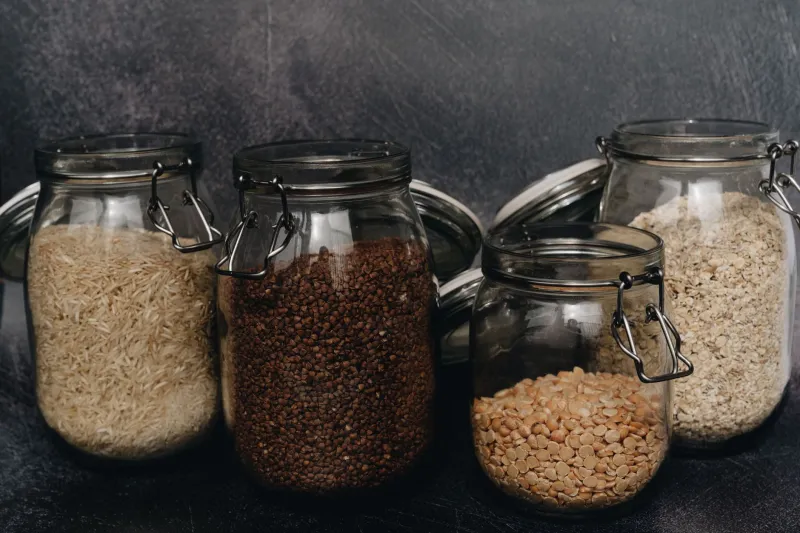
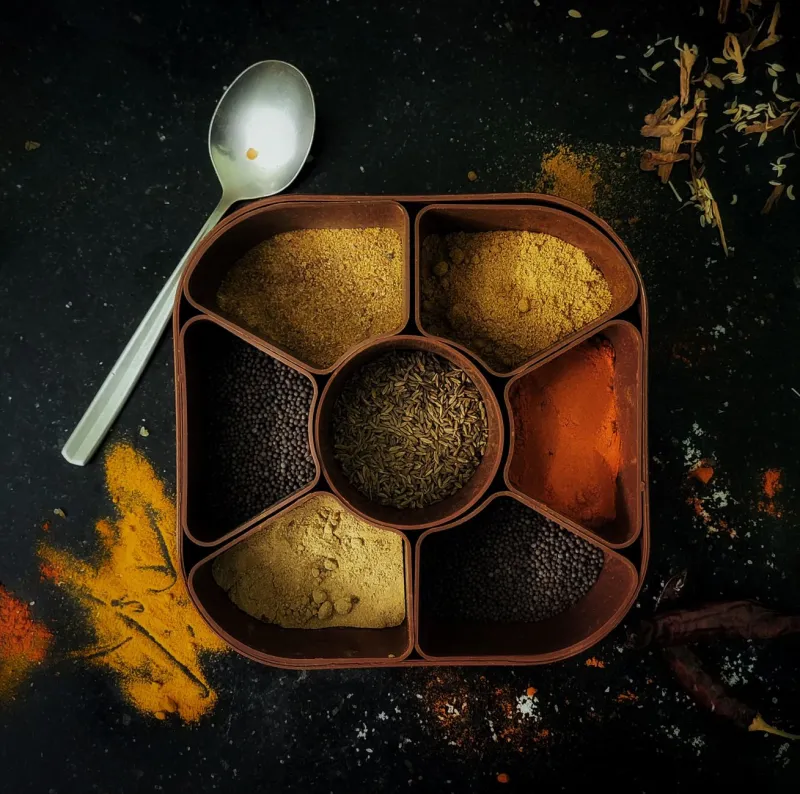
Sindhi cooks typically prepare a large batch of chana dal or moong dal on the weekend, seasoned with turmeric, dried red chilies, and a tempered tarka of cumin, garlic, and onion. On day one, it's served over rice. By day two, it's thinned slightly with water and becomes a warming soup. On day three, leftover dal gets mashed into flatbread dough for stuffed rotis. Nothing goes to waste, and the flavor actually deepens as the week goes on.
For American home cooks already comfortable with making a big pot of soup on Sunday, this is the most natural entry point. Swap your standard lentil soup for a Sindhi-style chana dal—add a pinch of amchur (dried mango powder) at the end for that signature sour note—and you've got a meal prep anchor that tastes more interesting every single day.
Pickle as Pantry Strategy
Sindhi achaar (pickles) aren't condiments in the American sense. They're a preservation strategy, a flavor bomb, and a meal extender all at once. Traditional Sindhi households kept crocks of pickled green mangoes, mixed vegetables, and chili-spiked lime wedges that could transform a plain bowl of rice or a simple roti into something worth sitting down for.
The beauty of this system is that once you've made a batch of achaar—which takes maybe 30 minutes of active effort and a few weeks of patience—you have a pantry staple that lasts months. A spoonful added to a grain bowl, a few slices laid alongside scrambled eggs, or a quick pickle stirred into plain yogurt creates the illusion of cooking when you've done almost none.
For busy American households, this is a revelation. You're not cooking every night. You're stocking strategically, the way Sindhi mothers have always done.
The Masala Base: Your Weekly Head Start
One of the least glamorous but most effective Sindhi kitchen habits is making a large batch of cooked masala base—onions, tomatoes, ginger, garlic, and spices—at the beginning of the week. This browned, deeply fragrant mixture is the foundation of dozens of dishes: vegetable curries, meat gravies, egg preparations, stuffed peppers.
Spend 25 minutes on Sunday cooking down this base, divide it into portions, and refrigerate or freeze. On a Tuesday night when you have 20 minutes before a Zoom call ends and dinner needs to happen, you add your protein or vegetable of choice to that pre-made masala, let it cook for 15 minutes, and you're done. No frantic spice measuring. No burned onions because you got distracted.
This is exactly the kind of modular cooking that expensive meal prep services try to replicate, but Sindhi cooks have been doing it for free, instinctively, for decades.
Rotis in Bulk: The Freezer Trick Nobody Talks About
In many Sindhi households, roti-making happens in large batches. A stack of 20 or 30 rotis might be made in a single session, then wrapped in cloth or stored in a container. In modern American kitchens, that same logic extends beautifully to the freezer.
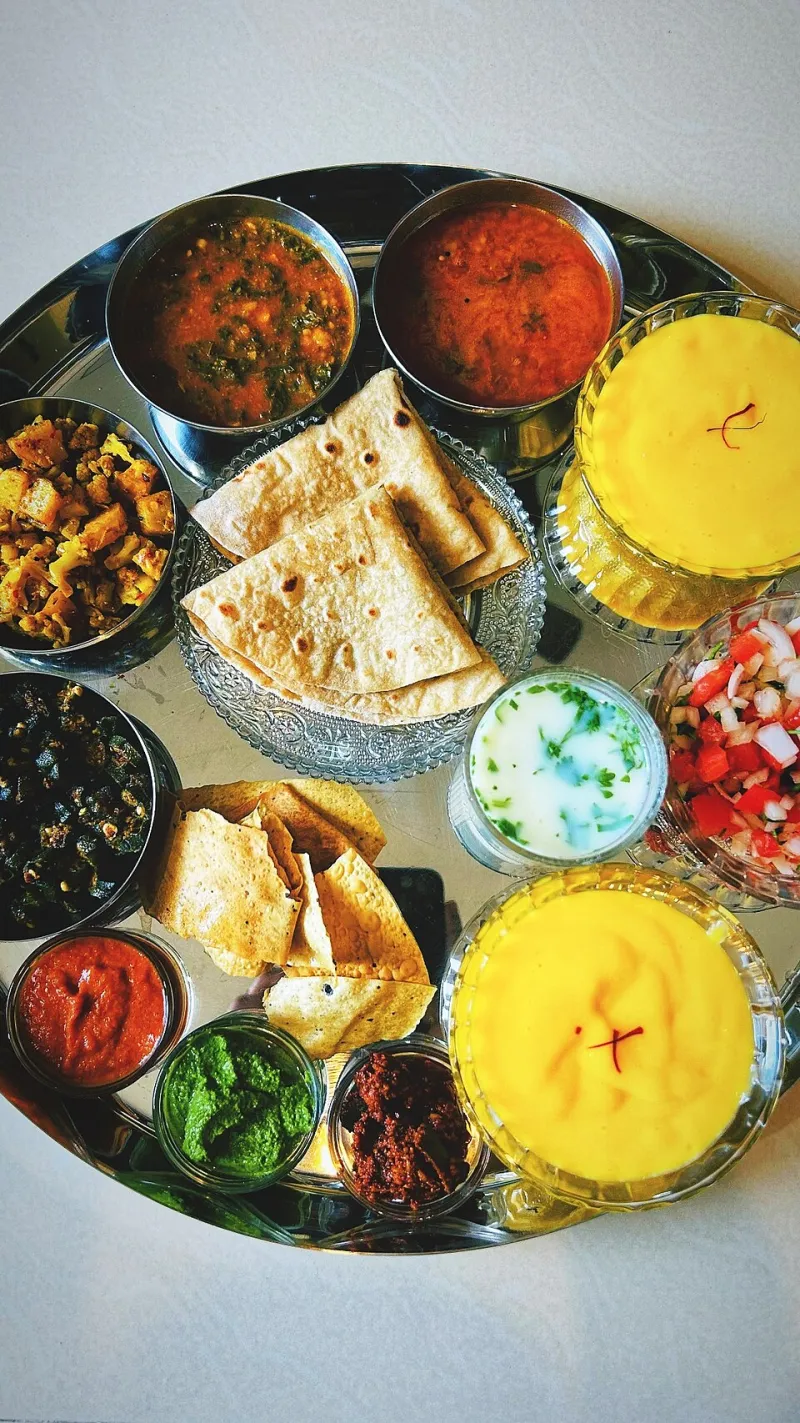
Flatbreads—whether plain whole wheat rotis, sindhi koki (a thick, spiced flatbread), or the flakier dal paratha—freeze well and reheat in minutes on a dry skillet. Having a freezer stash of Sindhi-style flatbreads means that lunch is never more than five minutes away, and dinner can be assembled from pantry ingredients without starting from scratch.
Koki, in particular, is worth learning. Made with whole wheat flour, onions, cumin, and fresh coriander, it's sturdy enough to hold up in a lunchbox, flavorful enough to eat on its own, and freezer-friendly in a way that standard store-bought bread simply isn't.
Slow Is the Original Fast
There's a counterintuitive truth at the heart of Sindhi meal prep: the dishes that take longest to cook are often the ones that save the most time across the week. A pot of Sindhi kadhi—a tangy, gram flour-based curry—takes patience but rewards you with something that tastes better reheated, holds beautifully in the fridge for four days, and pairs with rice, roti, or even spooned over roasted vegetables.
Similarly, slow-braised sindhi sai bhaji (a wholesome spinach and lentil preparation) improves overnight. Cook it low and slow on a Saturday, and by Monday it's at its best—spices fully integrated, texture perfectly thick.
The modern American obsession with speed has created a culture of shortcuts that often produce forgettable food. Sindhi cooking offers a different equation: invest time strategically at the start of the week, and the rest of the week takes care of itself.
Starting Small
You don't need to overhaul your entire kitchen routine. Pick one Sindhi batch-cooking habit and try it for a month. Make a big pot of dal on Sunday. Prep a masala base. Freeze a dozen kokis. See how it changes your weeknights.
The goal isn't to cook Sindhi food exclusively—it's to borrow a mindset that has sustained families through displacement, poverty, and the daily grind of ordinary life. A mindset that says: cook with intention, waste nothing, and let good food do the heavy lifting.
Your grandmother—whoever she was, wherever she cooked—probably understood this too. Sindhi grandmothers just happened to leave behind a particularly delicious blueprint.