The Sindhi Kitchen Secret That Makes Weeknight Cooking Actually Manageable
The Sunday Scaries Have a Sindhi Cure
Somewhere between the third weeknight in a row of sad desk lunches and the fourth time you've ordered takeout because cooking felt impossible, it's worth asking: how did generations of Sindhi families pull off feeding large households every single day without burning out?
The answer isn't a fancy appliance or a trendy productivity hack. It's a deeply practical cooking philosophy that Sindhi home cooks have carried for generations — one built around resourcefulness, community feeding, and a very healthy respect for not wasting food or effort. And it maps almost perfectly onto what modern American households are desperately trying to figure out right now.
What the Dabba System Actually Taught Us
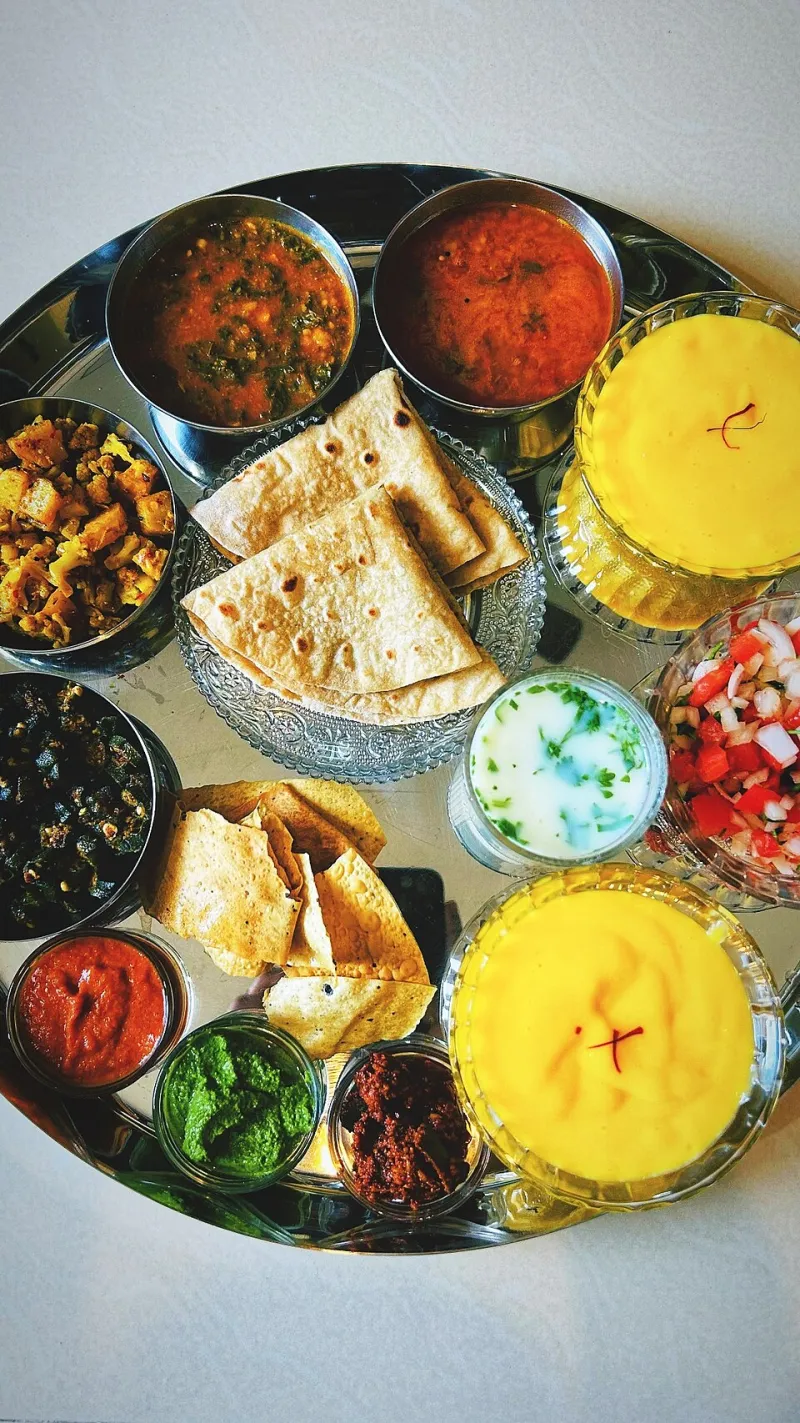
If you grew up in a Sindhi household, you know the dabba. Those stacked steel tiffin containers weren't just lunch boxes — they were a whole system. Food was portioned, layered, and organized with the assumption that meals would travel, be reheated, and still taste good hours later. That meant the cooking itself had to be done with longevity in mind.
Dishes were seasoned to hold. Gravies were built with a depth that deepened overnight. Rotis were made in batches. Nothing was cooked just once for just one meal if it could be cooked smarter.
That's the core of Sindhi meal prep logic: cook with tomorrow already in mind.
The Masala Base Is Your Weeknight Best Friend
One of the most practical techniques Sindhi cooks have always leaned on is the prepared masala base — a cooked-down mixture of onion, tomato, ginger, garlic, and spices that can anchor a dozen different dishes. Make a big pot of it on Sunday, stash it in the fridge, and you've essentially pre-cooked the hardest part of most weeknight dinners.
Want dal? Base plus lentils. Sabzi? Base plus whatever vegetable is in the fridge. Chicken? You already know.
This isn't a shortcut that sacrifices flavor — it's the actual technique. The base has already gone through its slow caramelization and bloom. When you pull it out on a Tuesday night, you're not starting from scratch. You're finishing a dish that already has a soul.
Sindhi-American home cooks who grew up watching their mothers and grandmothers work this way often describe it as the reason they can still cook real food on weeknights despite full-time jobs, kids, and everything else American life throws at you.
Strategic Batch Cooking, Sindhi Style
Here's how to actually build a Sindhi-inspired prep rhythm for an American schedule:
Make your masala base in bulk. One large batch — maybe two to three cups — stores easily in the fridge for up to five days or freezes in portions for months. Use a wide, heavy-bottomed pan, take your time with the onions, and don't rush the tomatoes. This is your investment.
Cook your dal in volume. Sindhi cuisine leans heavily on lentils — chana dal, moong dal, toor dal — and they all reheat beautifully. A large pot of dal fry or the iconic Sindhi kadhi made on the weekend becomes multiple meals through the week. Thin it out with water and a quick tadka refresh, and it tastes like you just made it.
Prep your aromatics ahead. Ginger-garlic paste, chopped onions, even washed and dried greens — the stuff that makes cooking feel slow can be done in one focused session. Sindhi kitchens have always operated this way, especially before big gatherings or festivals, when the prep work happened a day or two in advance so the actual cooking could flow.
Lean on dishes that are better the next day. Sindhi sai bhaji, the beloved spinach-and-lentil dish, is genuinely more flavorful after sitting overnight. Same with most gravies and stewed vegetables. Building your weekly menu around dishes that reward patience means you're cooking smarter, not just harder.
Preservation as a Pantry Strategy
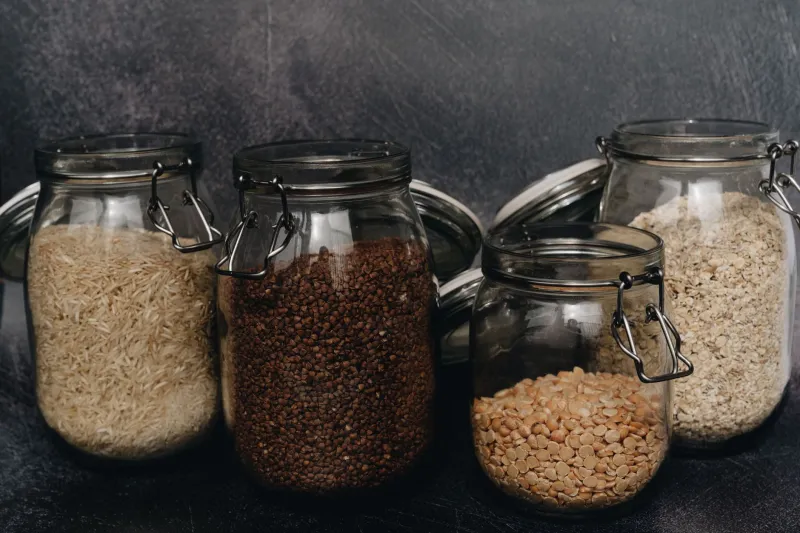
Sindhi food culture has a long relationship with preservation — pickles, dried legumes, chutneys stored in glass jars, and fermented preparations that add punch to simple meals. In the American context, this translates into a well-stocked pantry that lets you cook a legitimate Sindhi meal without a special grocery run.
Keep your toor dal and chana dal in airtight containers. Have a jar of homemade or store-bought tamarind concentrate in the fridge. Stock dried kokum if you can find it at your local Indian grocery. These aren't exotic ingredients — they're the building blocks of a cuisine that was designed to make something deeply satisfying out of what's on hand.
For Sindhi-American families in cities like Edison, New Jersey, Fremont, California, or the Chicago suburbs, access to Indian grocery stores makes this pantry approach genuinely easy to maintain. For those in less urban areas, online retailers have made it almost as simple.
Cooking for the Week Isn't a New Concept — It's an Old One
There's something quietly validating about realizing that the meal prep content flooding your social media feed is essentially describing what Sindhi grandmothers were already doing. Batch cooking, strategic ingredient use, cooking once and eating well multiple times — this is ancestral kitchen wisdom, not a wellness trend.
The difference is that Sindhi cooking brings flavor to the equation in a way that a lot of generic meal prep content doesn't. You're not eating the same bland grilled chicken four nights in a row. You're eating dishes that were designed to nourish large families, carry across time, and still taste like someone made them with care.
A Simple Framework to Start
If you want to bring some Sindhi meal prep logic into your own kitchen, start small:
- Sunday: Make your masala base, cook a pot of dal, prep aromatics
- Monday/Tuesday: Use the base for a quick sabzi or dal-based dinner
- Wednesday: Reheat and refresh the dal with a new tadka — it'll taste different enough to feel like a new meal
- Thursday: Pull from the freezer if you've been building up frozen portions
- Friday: This is your dabba clean-out night — mix and match what's left, add fresh roti, call it done
It's not a rigid system. It's a mindset. And it's one that Sindhi home cooks have been passing down, quietly and practically, for a very long time.
The work week crunch is real. But the kitchen wisdom to handle it has been sitting in Sindhi cooking all along — waiting to be put to use.