These 5 Sindhi Pantry Staples Belong in Every American Kitchen Right Now
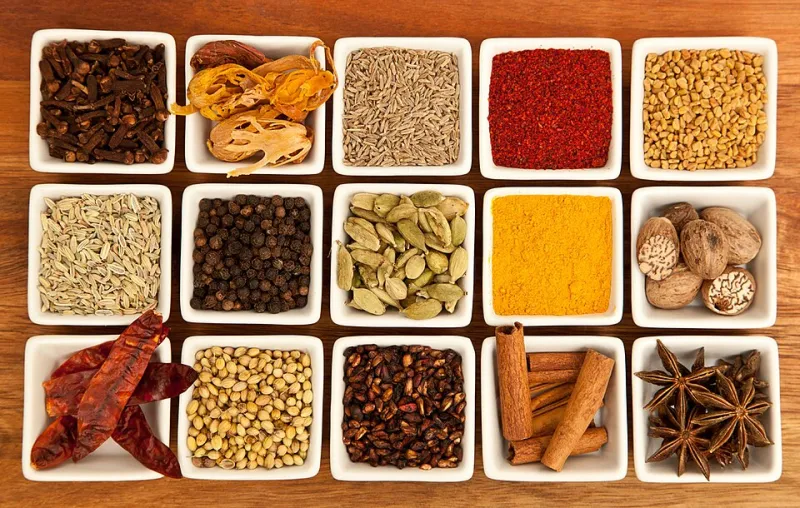
Photo: Joe mon bkk, CC BY-SA 4.0, via Wikimedia Commons
Every great cuisine has a short list of ingredients that do most of the heavy lifting. In French cooking, it's shallots and butter. In Mexican kitchens, dried chiles and lard. In Sindhi households, there's a core group of pantry staples that show up in everything — breakfast, dinner, snacks, even drinks — and deliver a depth of flavor that's hard to replicate with anything else.
Here's the thing: you don't need to be making traditional Sindhi dishes to use these ingredients. Several of them slot beautifully into everyday American cooking — grain bowls, sheet-pan dinners, baked goods, weeknight stir-fries. Once you start using them, you'll wonder why they weren't already in your pantry.
1. Ajwain (Carom Seeds)
What it tastes like: Imagine thyme and anise had a baby, but bolder and slightly peppery. Ajwain has a sharp, herbal heat that's distinctive without being aggressive when used in the right amounts.
Where to find it: Indian grocery stores carry it reliably — in the Dallas, Houston, Chicago, and New Jersey metro areas, you'll have no trouble. Online, Amazon and Patel Brothers' website both stock it. A small bag typically costs under $3 and lasts a long time.
How Sindhi cooks use it: Ajwain is the secret to the crackly, aromatic crust on many Sindhi fried snacks and flatbreads. It's also a traditional digestive aid — a pinch in lentil dishes helps with bloating.
Try it in American cooking:
- Roasted potatoes: Toss cubed potatoes with olive oil, ajwain, salt, and garlic before roasting at 425°F. The seeds bloom in the oven and create a fragrance that'll make your whole house smell incredible.
- Savory biscuits: Add half a teaspoon to your standard buttermilk biscuit dough alongside cheddar and chives. The ajwain adds a herbal complexity that makes the biscuits feel surprisingly gourmet.
2. Besan (Gram Flour)
What it tastes like: Nutty, earthy, and slightly sweet in its raw form — it transforms into something rich and deeply savory when cooked. Gram flour is made from ground chickpeas and carries a natural umami quality that most wheat flours lack.
Where to find it: Widely available at Indian and Middle Eastern grocery stores, and increasingly at Whole Foods and Sprouts under the name "chickpea flour." Bob's Red Mill sells it in most mainstream supermarkets. Prices range from $3–$6 per bag.
How Sindhi cooks use it: Besan is foundational to Sindhi cuisine. It's the base for kadhi (a tangy yogurt-based curry), the coating for pakoras, and an ingredient in several traditional sweets. It shows up in almost every part of the meal.
Try it in American cooking:
- Gluten-free pancakes: Replace half the flour in your standard pancake recipe with besan for a protein-rich, nuttier pancake that holds together beautifully. Top with honey and fruit.
- Crispy baked chicken coating: Mix besan with smoked paprika, garlic powder, salt, and a little oil, then coat chicken thighs before baking. The coating crisps up remarkably well and adds a savory depth that breadcrumbs just can't match.
3. Moong (Whole Green Mung Beans) and Moong Sprouts
What it tastes like: Mild, slightly grassy, and earthy — moong beans are incredibly versatile precisely because they don't overpower other flavors. When sprouted, they pick up a fresh, clean brightness that makes them feel almost like a different ingredient.
Where to find it: Whole dried moong beans are a staple at Indian grocery stores and many Asian supermarkets (they're widely used in East and Southeast Asian cooking too). Pre-sprouted moong is available at Whole Foods, Sprouts, and many farmers markets. You can also sprout them at home in 2–3 days with just a jar and a cheesecloth.
How Sindhi cooks use it: Moong is everywhere in Sindhi cooking — in dal, in sprouted salads, in breakfast dishes. Sprouted moong with a simple tarka of cumin and green chili is a classic Sindhi morning meal that's both light and incredibly satisfying.
Try it in American cooking:
- Grain bowls: Use sprouted moong as your protein base instead of chickpeas or edamame. Toss with roasted sweet potato, avocado, a lemon-tahini dressing, and some toasted pepitas. It's filling, plant-forward, and genuinely interesting.
- Stir-fry addition: Throw a handful of sprouted moong into any weeknight stir-fry in the last two minutes of cooking. They add texture, protein, and a fresh snap that elevates the whole dish.
4. Tamarind (Imli)
What it tastes like: Intensely sour with a fruity undertone — tamarind is one of those ingredients that makes your mouth water just thinking about it. It adds a bright, tangy acidity that's completely different from lemon juice or vinegar.
Where to find it: Available as a block, paste, or concentrate at Indian, Mexican, and Southeast Asian grocery stores. Tamarind concentrate in a jar is the easiest form to work with for American kitchens and is increasingly available at Trader Joe's and larger Whole Foods locations. Expect to pay $3–$5 for a jar of concentrate.
How Sindhi cooks use it: Tamarind is the backbone of Sindhi chutneys, adds tartness to curries and dals, and is used in cooling summer drinks. It's the ingredient that gives Sindhi food its characteristic balance of spice and sourness.
Try it in American cooking:
- BBQ sauce upgrade: Swap out the apple cider vinegar in your homemade BBQ sauce for an equal amount of tamarind concentrate. The result is a more complex, fruitier tang that pairs beautifully with grilled ribs or chicken.
- Salad dressing: Whisk together tamarind concentrate, olive oil, a little honey, minced ginger, and salt for a dressing that works brilliantly over shredded cabbage, roasted beets, or a simple arugula salad.
5. Dry Mango Powder (Amchur)
What it tastes like: Tart, fruity, and slightly floral — amchur is made from dried unripe mangoes and delivers a sour punch without adding liquid to a dish. It's a dry acid, which makes it uniquely useful in cooking.
Where to find it: Available at virtually every Indian grocery store and on Amazon. A small container typically runs $3–$5 and goes a long way since a little delivers a lot of flavor.
How Sindhi cooks use it: Amchur brightens vegetable dishes, adds a finishing tartness to snacks, and is often used in spice rubs and marinades. It's especially common in dry preparations where you want sourness without extra moisture.
Try it in American cooking:
- Spice rub for salmon or shrimp: Combine amchur with cumin, coriander, a pinch of cayenne, and salt. Rub it on salmon fillets or shrimp before pan-searing. The tartness cuts through the richness of the fish perfectly.
- Popcorn seasoning: Mix amchur with nutritional yeast, smoked paprika, and a little salt for a tangy, cheesy-tasting popcorn seasoning that's completely addictive. It'll ruin you for regular butter popcorn.
One Pantry, Infinite Possibilities
The beauty of these five ingredients is that they're not exotic additions you'll use once and forget about. They're workhorses — each one capable of transforming a flat, predictable dish into something with genuine character. Start with one or two, get comfortable, and let the rest follow naturally.
Sindhi cooking has always been about making the most of what you have, coaxing maximum flavor from simple ingredients with intelligence and care. That philosophy translates perfectly to any kitchen, in any city, on any given weeknight.