We Pitted Sunday Sindhi Curry Against the Instant Pot — Here's What Won

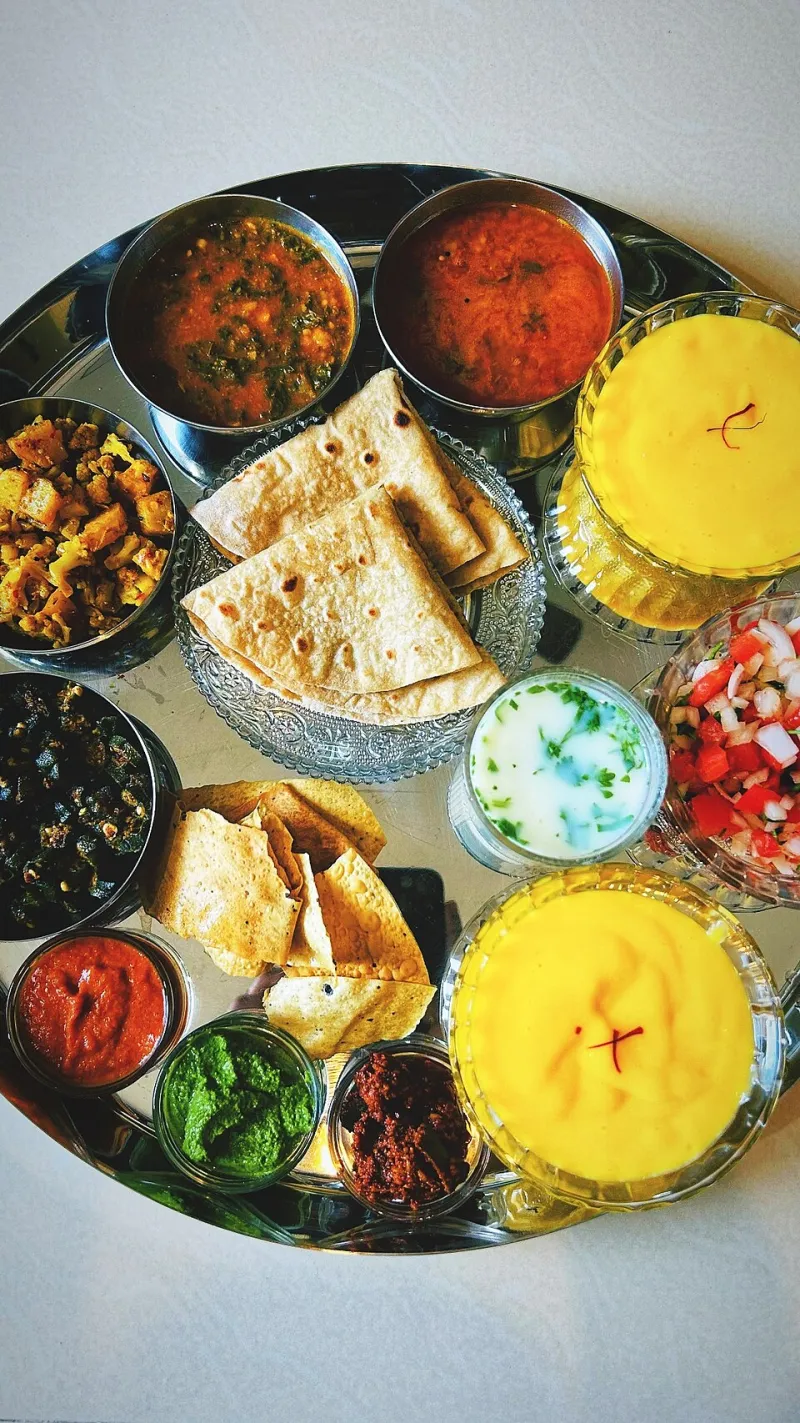
There's a rule in many Sindhi households: Sunday lunch isn't rushed. Sindhi curry — that tangy, tomato-kokum gravy loaded with drumsticks, potatoes, and served alongside sweet rice — is supposed to take its sweet time.
But you have a job, a group chat, and possibly a small child demanding snacks. So we ran the experiment every modern home cook secretly wants run: the same traditional recipe, cooked three ways, timed and tasted.
The Dish We Tested
Sindhi curry (sometimes called sindhi kadhi) starts with a roasted gram flour and oil base, bloomed with cumin, mustard seeds, and fenugreek, then built into a thin, sour-savory gravy with tomatoes, kokum (or tamarind), and a garden's worth of vegetables — typically potatoes, carrots, green beans, drumsticks, and okra.
Traditional method: about 90 minutes to 2 hours, with attention throughout. Let's see how the gadgets did.
Round One: The Instant Pot
Total time: 35 minutes active-to-done
The play here is sauté mode. Brown the besan (gram flour) in oil right in the pot — this step is non-negotiable and takes 8–10 minutes regardless of equipment — then add spices, tomato, water, and vegetables. Pressure cook on high for 4 minutes, quick release, add kokum and okra at the end so they don't dissolve.
Verdict: The gravy was smooth and the lentil-flour base fully developed. The vegetables, however, came out softer than Sunday-standard — potatoes nearly collapsing into the gravy. If your family likes everything melt-tender, this is a win. If you want distinct bites of carrot and potato, drop the pressure time to 2 minutes and use a natural release.
Round Two: The Dutch Oven
Total time: 60 minutes
The Dutch oven is the closest spiritual cousin to the traditional heavy-bottomed pot. Same technique: roast the besan patiently, build the gravy, simmer uncovered. The wide surface allows evaporation and concentration that pressure cooking can't replicate.
Verdict: This was the flavor winner, no contest. The gravy had depth, the vegetables kept their integrity, and the kokum's sour brightness came through clean. Sixty minutes is still a serious commitment — but it's an hour where you can mostly walk away, not an hour of stirring.
Round Three: The Hybrid Cheat Code
Total time: 40 minutes, best of both worlds
Roast the besan and build the spice base in the Dutch oven (or the Instant Pot on sauté), then pressure cook only the hardy vegetables separately — or simply pressure cook the gravy base for 3 minutes, transfer to the Dutch oven, and add tender vegetables and kokum for a 10-minute uncovered simmer to finish.
Verdict: This is the method we're keeping. You get the Instant Pot's speed plus the Dutch oven's finish. It's the culinary equivalent of taking the express lane but still bagging your own groceries properly.
The Okra Problem (and Other Small Details)
No matter the appliance, a few rules held true:
- Okra goes in last. Always. Pressure-cooked okra is a slime situation.
- Don't rush the besan. That flour needs to go from raw and pasty to deep golden and nutty. This is where the flavor lives, and no appliance shortcuts it.
- Sweet rice runs parallel. While the curry works, get a pot of fragrant rice going with sugar, cardamom, and a few slivers of almonds. The sweet-savory pairing is the whole point of the Sunday spread.
So Which Should You Buy?
If you already own an Instant Pot, you're set — Sindhi curry is genuinely great in it with the timing tweaks above. If you own a Dutch oven and love the ritual of low, slow Sunday cooking, it honors the tradition best. If you own both, the hybrid method is your new Sunday religion.
The real verdict? Tradition isn't the pot. It's the patience in the details — the properly roasted flour, the okra added at the end, the sweet rice waiting alongside. The appliances just help you get there before kickoff.