Twenty Dollars, One Bag of Flour, Endless Dinner: The Case for Koki

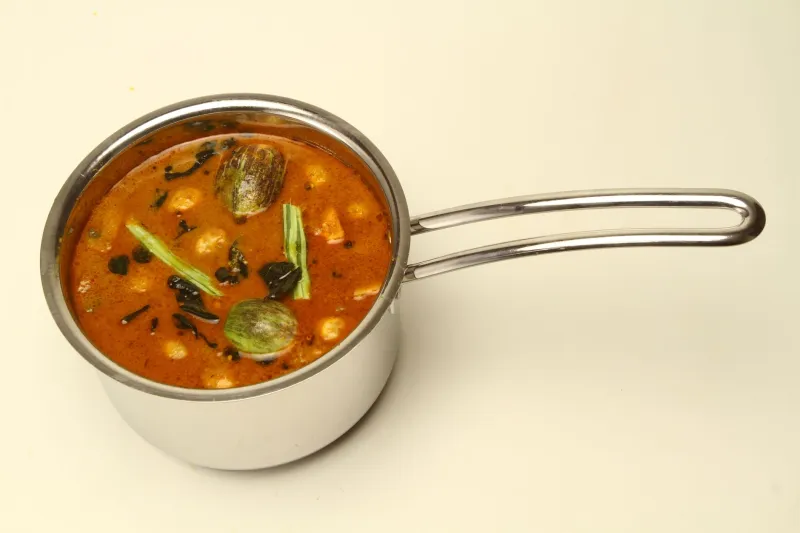
Photo: spiced whole wheat flatbread koki cooking on skillet Indian, via thumbs.dreamstime.com
Let's do some uncomfortable math. The average American household is spending noticeably more on groceries than it did a few years ago, and the line items that hurt most are the ones we reach for out of habit: snack packs, deli meat, frozen convenience food.
Now consider koki. A Sindhi flatbread made from whole wheat flour, grated onion, spices, and oil, it costs roughly 40 to 60 cents per serving depending on your flour brand. It's filling, it's genuinely delicious, and one batch of dough can feed a person for an entire day.
The Cost Breakdown
Here's a realistic price check based on typical US supermarket prices:
- 2 cups whole wheat flour: ~$0.60
- 1 medium onion: ~$0.40
- 2 tbsp oil: ~$0.15
- Spices (cumin, coriander, chili, salt, dried pomegranate seed powder if you have it): ~$0.30
That's about $1.45 for a batch that yields four thick, satisfying flatbreads. Add a 50-cent side of yogurt or a fried egg and you have a complete lunch for under a dollar a plate. Compare that to the $14 lunch salad you've been buying, and the numbers speak for themselves.
One Dough, Three Meals
The real genius of koki is that it's a leftover machine wearing a flatbread costume.
Breakfast: Koki pairs beautifully with a cup of chai and a dollop of plain yogurt. Make the dough the night before — it actually improves as the onion releases moisture into the flour.
Lunch: Roll leftover koki around scrambled eggs, a smear of pickle (achar), or leftover sai bhaji. It holds up in a lunchbox without going soggy, unlike literally any sandwich bread you own.
Late-night snack: Tear a cold koki into pieces, crisp it in a dry skillet, and eat it with hot sauce or chutney. This is the Sindhi answer to 11 p.m. chips, and honestly, it wins.
Wisdom from a Home Cook
"My mother could look at a near-empty fridge and still put dinner on the table," says Lata, a home cook in Edison, New Jersey, who grew up watching her grandmother stretch meals in pre-Partition Sindh and later in a new country with a new budget. "Koki was the answer to everything. No vegetables? Koki. Leftover rice? Mash it into the dough — koki. Someone dropped by unannounced? More koki."
Lata's habit worth stealing: she grates whatever hardy vegetable is wilting in the crisper drawer — onion, radish, even carrot — directly into the dough. Nothing gets thrown out, and every batch tastes a little different.
The Technique, in Brief
- Mix 2 cups whole wheat flour, 1 finely grated onion (squeeze out excess water first), 1 tsp each cumin and coriander, chili to taste, salt, and 2 tbsp oil.
- Add water a tablespoon at a time until you have a stiff, not sticky, dough. Stiff dough is the secret to koki's signature crisp-chewy texture.
- Rest 20 minutes. Roll into thick discs — sturdier than roti, closer to a small pita.
- Cook on a medium-hot dry skillet until browned spots appear, then finish with a brush of oil or ghee on each side.
Thrift as a Mindset
Koki comes from a tradition that never had the luxury of waste. Sindhi households historically ran on resourcefulness — using every scrap, stretching every grain, making flavor do the heavy lifting that expensive ingredients otherwise would.
That mindset translates perfectly to a 2025 American grocery run. You don't need a subscription box or a meal-planning app. You need a five-pound bag of flour, an onion, and a hot skillet.
The $20 challenge: a bag of whole wheat flour, onions, a bag of lentils, rice, oil, and a few basic spices will run you right around twenty dollars — and it's the foundation for two weeks of meals. Your wallet will notice. Your taste buds will too.