The Sindhi Side Dish That Steals the Show: A Thanksgiving Table Upgrade
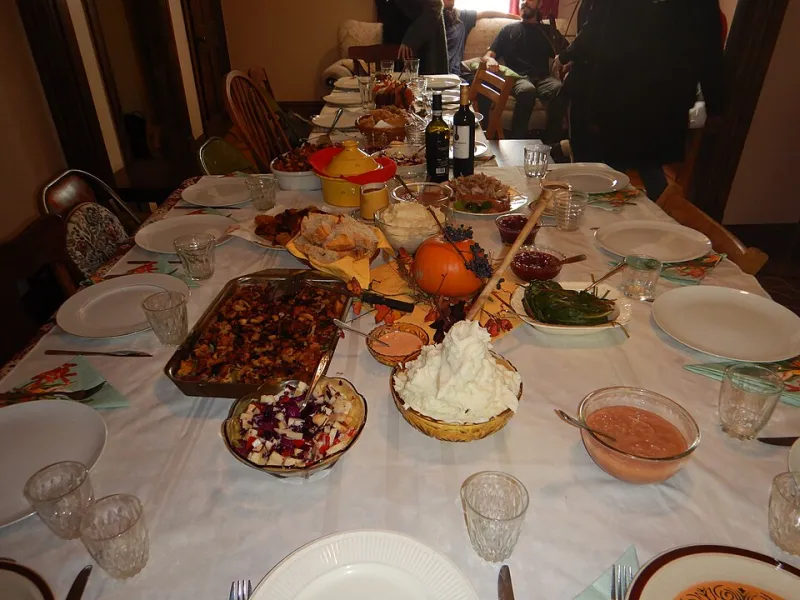
Photo: Helena Jacoba, CC BY 2.0, via Wikimedia Commons
Every November, the same debate plays out in group chats and grocery aisles across America: green bean casserole or sweet potato mash? Stuffing with sage or with sausage? Meanwhile, in kitchens from New Jersey to the Bay Area, Sindhi-American families have quietly been settling the argument with a different question entirely — why not all of it, plus a steaming pot of sai bhaji?
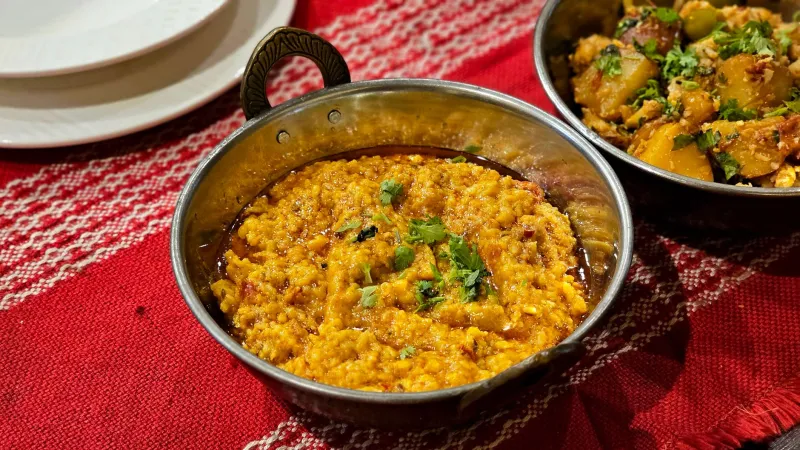
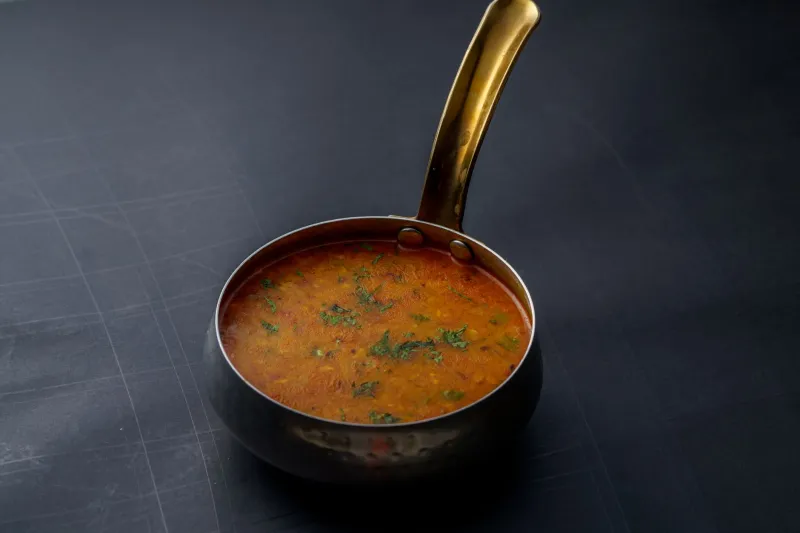
If you've never heard of sai bhaji, picture the world's most satisfying spinach dish: wilted greens simmered with chana dal (split chickpeas), dill, tomatoes, and a handful of spices until everything melds into something between a stew and a pilaf topping. Paired with dal pulao — a one-pot rice dish studded with lentils, vegetables, and whole spices — it's the kind of combo that makes turkey the supporting act.
Why These Dishes Work on a Holiday Table
Thanksgiving is, at its heart, a potluck of traditions. Most American families already serve food that traces back to someone's grandmother's grandmother, so adding a Sindhi side isn't a stretch — it's the whole point of the holiday.
Sai bhaji also happens to be gorgeous. Deep green, flecked with red tomato, sitting next to pale mashed potatoes and beige rolls, it's the color pop your table photos have been begging for. And unlike a soufflé or a from-scratch pie, it's nearly impossible to ruin.
"We started serving my mother-in-law's sai bhaji alongside the turkey about five years ago," says Priya, a second-generation Sindhi-American in Chicago. "Now my brother-in-law, who is not Sindhi and very much a meat-and-potatoes guy, asks if it's coming before he asks about the bird."
Recipe 1: Sai Bhaji (Spinach and Lentil Stew)
Serves 6–8 as a side
- 1 lb frozen chopped spinach, thawed
- ½ cup chana dal (split chickpeas), soaked 1 hour
- 1 bunch fresh dill, chopped (or 2 tbsp dried)
- 2 tomatoes, diced
- 1 onion, finely chopped
- 1 tbsp ginger-garlic paste
- 1 tsp cumin seeds, ½ tsp turmeric, 1 tsp coriander powder, salt, dried red chilies to taste
- 2 tbsp neutral oil
Pressure cook the soaked dal with turmeric and 1½ cups water until soft, about 10 minutes. In a heavy pot, heat oil, crackle the cumin and chilies, and sauté onion until golden. Add ginger-garlic paste, tomatoes, and dill; cook until jammy. Stir in spinach and the cooked dal with its liquid. Simmer 20 minutes, then mash lightly — the texture should be thick and spoonable, not soupy.
Recipe 2: Dal Pulao (One-Pot Lentil Rice)
Serves 6
- 2 cups basmati rice, rinsed
- ½ cup moong dal, rinsed
- 1 onion, sliced; 1 potato and 1 carrot, diced; ½ cup green peas
- 1 cinnamon stick, 3 cloves, 2 cardamom pods, 1 bay leaf
- 1 tsp cumin seeds, 1 tsp salt, 3 tbsp oil or ghee, 4 cups hot water
Fry the whole spices in oil until fragrant, then brown the onion. Add vegetables and dal, sauté five minutes, then add rice and hot water. Season, cover, and cook on low for 15 minutes. Rest, fluff, and try not to eat it straight from the pot.
Recipe 3: Sindhi-Style Roasted Carrots with Tamarind
For the bridge dish — the one that speaks both languages — toss carrots with oil, salt, cumin, and a glaze of tamarind paste and jaggery (or brown sugar). Roast at 425°F for 25 minutes. Sweet, tangy, and right at home next to cranberry sauce.
The Make-Ahead Timeline
Thanksgiving Day is chaos. Here's how to keep the Sindhi side of the menu calm:
- Sunday before: Cook sai bhaji completely. It actually improves overnight — refrigerate up to four days.
- Tuesday: Rinse and soak dal for the pulao; refrigerate in its water.
- Wednesday: Cook the pulao fully, cool, and refrigerate. Make the tamarind glaze for the carrots.
- Thursday: Reheat sai bhaji on the stovetop with a splash of water. Reheat pulao covered in a 350°F oven with a damp paper towel on top. Roast the carrots fresh — they need 25 minutes.
Two Traditions, One Table
For Sindhi-American families, the fourth Thursday of November has become its own fusion holiday. There's the turkey for the sake of tradition, and then there's the spread that tells the real story: sai bhaji scooped onto dinner plates, dal pulao making an appearance where stuffing usually reigns, and someone's aunt explaining chana dal to a curious cousin's partner for the tenth time, happily.
That's not a side dish. That's the main event.