Matcha Seero and Air Fryer Malpura: The Gen Z Bakers Rewriting the Sindhi Sweets Rulebook
There's a particular tension that shows up whenever a traditional dish meets a trending ingredient, and it's playing out right now in Sindhi-American kitchens across the country.
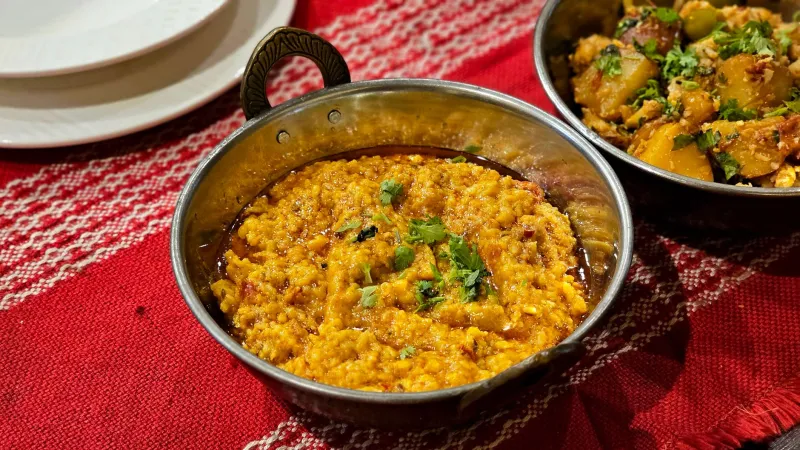
On one side: seero, the ghee-roasted semolina sweet that has anchored Sindhi celebrations for generations. Malpura, the golden fried pancakes soaked in syrup. On the other side: matcha, oat milk, air fryers, and a generation of creators who grew up eating these sweets at temple gatherings and now film them for TikTok.
Are they preserving a cuisine — or diluting it? We spoke with three young Sindhi-Americans navigating exactly that question.
The Content Creator: "Fusion Is How I Got People to Listen"
Ananya, 24, a content creator in the Bay Area, started posting Sindhi sweets during the pandemic after realizing her non-Sindhi followers had never heard of the cuisine.
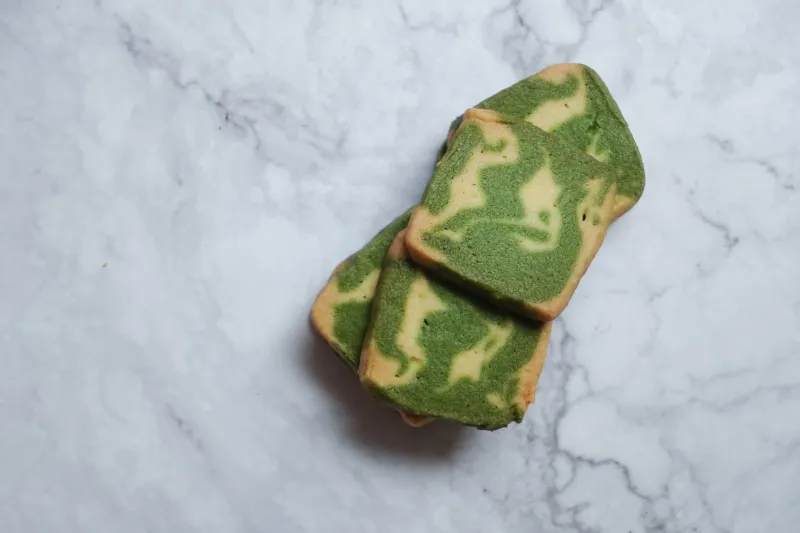
"Nobody was going to click on 'seero,'" she laughs. "But matcha seero? People were curious. And then in the comments, I'd explain what seero actually is, the ghee, the cardamom, why we make it for Satyanarayan katha. The fusion was the hook. The tradition was the lesson."
Her most viral video — air fryer malpura, cut with a flax-water binder for her vegan roommate — drew the predictable backlash from elders in her own family. Her grandmother's verdict, delivered over a video call: "The shape is wrong. The taste, okay."
Ananya counts that as a win.
The Baker: "I Won't Apologize for Gluten-Free"
Rohit, 27, a pastry-trained baker in Chicago, takes a different approach. His remixes are technical, not trendy — driven by dietary needs, not aesthetics.
"My cousin has celiac disease. My partner is lactose intolerant. If I only make mithai the exact way it's always been made, half my family literally cannot eat it," he says. His gluten-free seero uses certified GF semolina alternatives and brown butter to recreate the nutty depth of slow-roasted ghee semolina. His test batches, he admits, took eleven tries.
"People act like adaptation is disrespect. I think the opposite. The dish has to keep feeding people, or it dies."
The Skeptic-Turned-Convert
Priya, 22, a student in New Jersey, calls herself a former mithai skeptic — not of the sweets, but of the fusion trend.
"I used to roll my eyes at every 'chai spice' everything," she says. "Then I made my nani's malpura for the first time and realized I didn't know a single traditional recipe by heart. That freaked me out. So now my rule is: I learn the original first, then I remix. Matcha seero only after I can make real seero from memory."
Her framework — tradition as prerequisite, not alternative — is becoming a quiet ethos among her friends.
So Where's the Line?
Here's our take: the authenticity debate is asking the wrong question. Sindhi food history is already a history of adaptation — a community displaced by Partition in 1947 that rebuilt its kitchens in Delhi, Mumbai, Dubai, Hong Kong, and New Jersey using whatever each place offered. Every Sindhi sweet served in America today is, in some sense, already a translation.
What matters isn't whether the semolina is roasted in ghee or finished with matcha. It's whether the story travels with it — whether the person filming the air fryer malpura can also explain why their grandmother made it, whose hands taught them, what occasion it marked.
When the story travels, fusion is evolution. When it doesn't, it's just appropriation of your own heritage, by you, for likes.
These three — and thousands like them — are keeping the story moving. Some with matcha. Some with brown butter. All with a grandmother's verdict hanging over the kitchen, half disapproval, half pride.
That sounds like tradition to us.